
The Benefits of Hiring a Mold Detection Dog for Your Next Inspection


A trained mold detection dog helps make a house mold inspection faster, more focused, and less disruptive. Instead of relying solely on guesswork, a K9 team searches for mold-related odors and helps narrow down hidden source areas that may need closer review, moisture checks, or targeted follow-up.
When a musty smell leaves you guessing
A musty smell is frustrating when you can’t see where it’s coming from. Maybe there was a past leak. Maybe a basement, bathroom, laundry area, or crawl space feels damp. Or maybe you’re buying a home and want clearer information before making a decision. That’s where mold-sniffing dogs can be helpful.
A trained dog-and-handler team searches for hidden mold odor sources in a practical, non-invasive way. Instead of opening walls or guessing where the issue might be, a focused mold detection service helps pinpoint the areas that need attention.
What is a mold detection dog inspection?
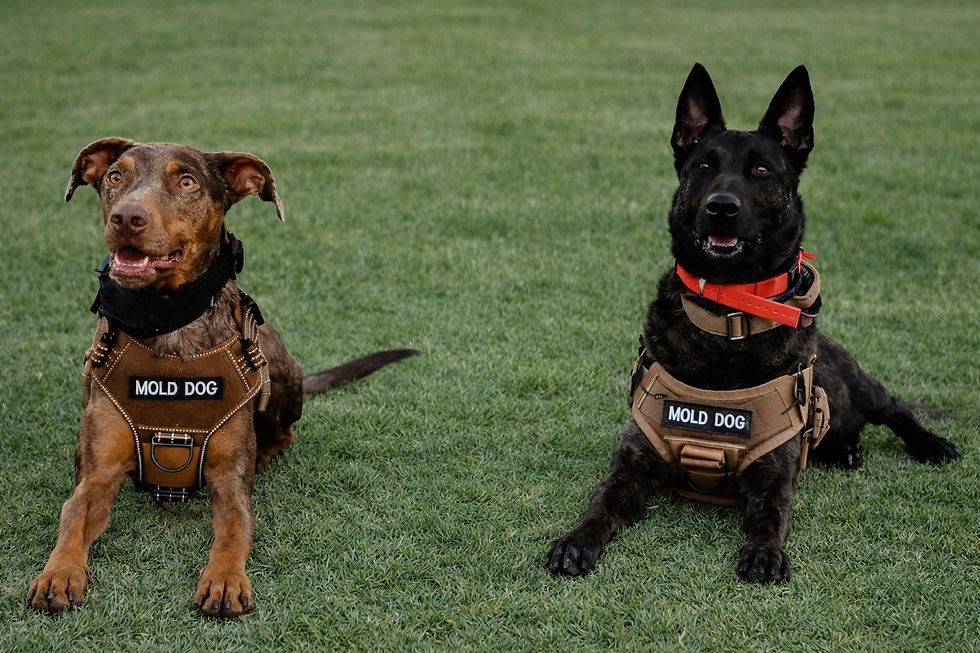
A mold detection dog inspection uses a trained K9 and handler to search for mold-related odors inside a home or building. The dog recognizes specific odor signatures and alerts the handler when it detects an area that may need closer evaluation.
This type of inspection is especially useful when you suspect mold but can’t see it. Mold may be a sign of moisture issues behind walls, under flooring, near plumbing, around cabinets, in basements, or in areas with limited access.
Mold-sniffing dogs are a practical tool for finding answers to what’s going on in your home.
How mold detection dogs work during an inspection
A K9 mold inspection should feel organized, calm, and clear. The goal is to understand the concern, search the property, and document areas that may need additional attention.
Step 1: The handler reviews the concern
The process usually starts with a conversation. The handler may ask about musty odors, past leaks, roof issues, appliance leaks, flooding, water stains, recent repairs, or specific rooms where the homeowner has concerns.
This background helps guide the inspection. For example, a kitchen sink leak from six months ago creates a different search pattern than a musty basement smell with no known water event.
Step 2: The dog searches the property
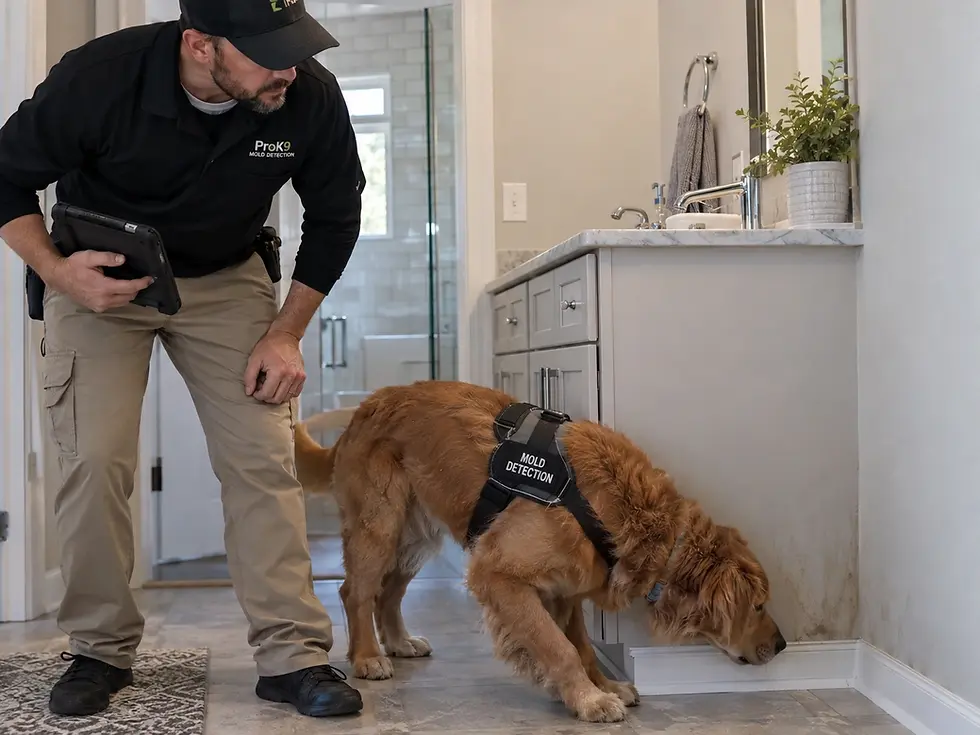
Next, the dog and handler move through the home in a controlled way. Trained mold-sniffing dogs may search around baseboards, cabinets, walls, flooring transitions, bathrooms, laundry areas, mechanical rooms, crawl space access points, and other moisture-prone areas.
The handler closely watches the dog’s behavior. This isn’t a loose walk-through. It’s a structured search built around the dog’s training and the handler’s interpretation.
Step 3: The dog alerts to areas of interest
When the dog detects a mold-related odor, it alerts the handler. An alert doesn’t mean you need to open a wall right away or assume the worst. It means that the area deserves closer review.
That may include moisture readings, visual inspection, targeted sampling, repair planning, or a conversation with the right professional.
Step 4: The homeowner gets clearer next steps
The biggest value is direction. Instead of wondering where to begin, the homeowner focuses on specific areas. That makes the next step more measured, less disruptive, and easier to understand.
Common situations where K9 mold detection helps
K9 mold detection can be useful in many everyday property situations. It’s not only for homes with obvious damage. In many cases, people call because something feels off, but they don’t have clear visual evidence.
Common situations include:
A musty smell with no visible mold
A previous plumbing, roof, foundation, or appliance leak
Basement, crawl space, or bathroom concerns
Real estate inspections before buying or selling
Rental turnover or tenant-reported odor concerns
Post-repair checks after water damage
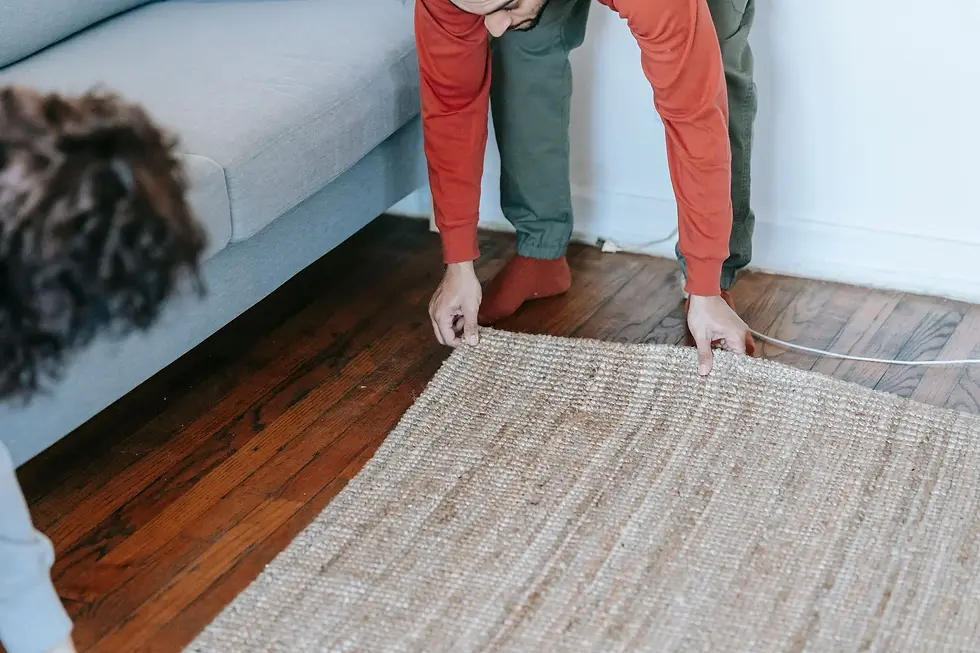
Finished spaces where walls and flooring limit visibility
Older homes with a history of moisture issues
A mold detection service is especially helpful when a homeowner wants to avoid unnecessary demolition. If there’s no obvious visible source, guessing leads to extra mess, added cost, and confusion.
This is also valuable during a house mold inspection for a property purchase. Buyers often want more clarity before closing. Sellers may want to address concerns before listing. Property managers may want documentation before deciding on the appropriate follow-up.
Benefits of hiring a mold detection dog
Hiring a mold detection dog gives homeowners a more focused way to identify hidden mold.
Faster direction: A trained dog-and-handler team moves through the home efficiently and narrows the search to areas where mold-related odor may be present.
Less invasive than guesswork: K9 detection helps reduce unnecessary wall openings, flooring removal, or cabinet disruption before the source is clearer.
Better source pinpointing: Musty odors travel. A trained dog can help identify the most likely odor source.
Useful before major property decisions: K9 detection helps before buying, selling, leasing, repairing, or deciding whether more testing is needed.
Less guesswork for homeowners: A mold detection service gives you a clearer starting point, so the next step feels more manageable.
Common mistakes to avoid during a mold inspection
A mold concern doesn’t have to turn into a rushed or stressful process. Many homeowners simply need better information before choosing the next step.
Avoid these common mistakes:
Assuming every musty smell means a major mold problem. Odors deserve attention, but you need to identify the source before drawing conclusions.
Opening walls too early. Cutting into materials without narrowing the search creates extra damage and may still miss the source.
Relying only on visible signs. Finished surfaces or past moisture can hide mold-related issues.
Ignoring the moisture source. Mold control starts with moisture control. If water intrusion continues, the issue may return.
Choosing pressure over clarity. Homeowners benefit from inspection information that helps them make decisions without being pushed into unnecessary services.
Waiting too long after a leak. Address water-damaged materials promptly because moisture creates conditions for mold growth.
Expecting one tool to answer every question. A house mold inspection may involve visual review, moisture checks, K9 detection, sampling, or other follow-up depending on the situation.
What mold guidance says about hidden moisture
Most mold guidance points back to the same starting point: find the moisture source, dry affected materials quickly, and use the right inspection method for the situation.
Moisture control matters most. The EPA says the key to mold control is moisture control, and you should dry water-damaged areas within 24–48 hours to help prevent mold growth.
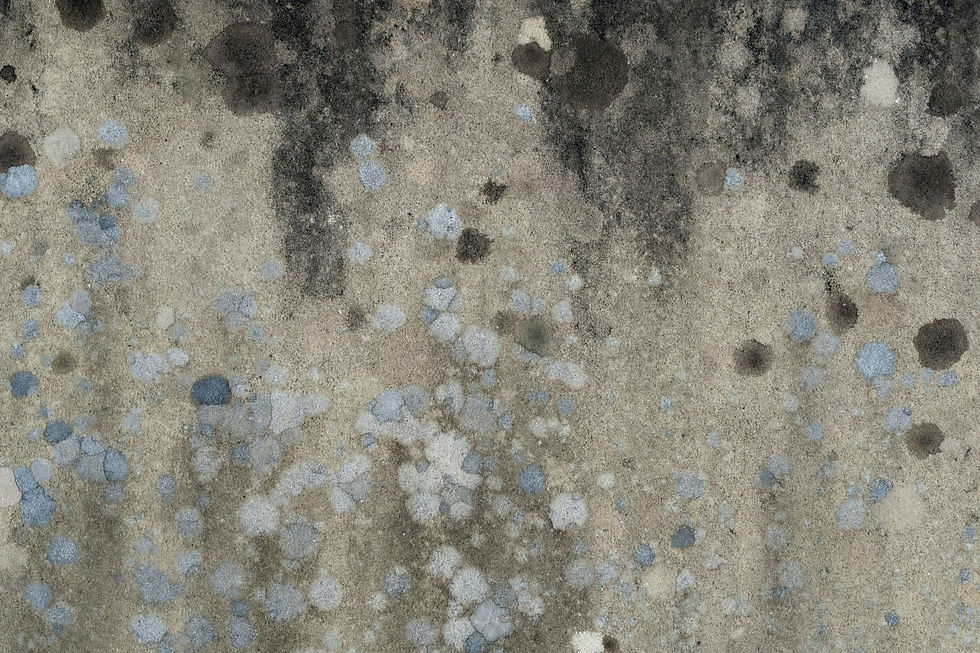
Hidden mold is hard to spot visually. The EPA notes that mold can grow on hidden surfaces, including the back side of drywall, wallpaper, paneling, ceiling tiles, carpets, pads, crawl spaces, pipe chases, and ventilation areas.
Cleanup should include fixing the water problem. The CDC recommends cleaning up mold safely and correcting the water issue that allowed mold to grow in the first place.
One inspection method won’t answer every question. Visual inspection, moisture checks, targeted sampling, and K9 detection all play a role, depending on the home and the concern.
K9 detection is especially useful when the question is location. A trained dog helps narrow the search.
Tools to use alongside mold sniffing dogs
Mold-sniffing dogs can help identify likely odor sources and work best as part of a comprehensive inspection process. The dog helps narrow the search, while supporting tools can help confirm moisture concerns, document findings, and guide the next step.
Helpful tools and methods to use in tandem with K9 detection include:
Visual inspection: Checks for staining, damaged materials, condensation, visible growth, leaks, or building materials that may need closer review.
Moisture meters: Measure moisture levels in drywall, flooring, trim, and other materials near alert areas.
Thermal imaging: Helps identify temperature differences that may point to hidden moisture patterns when conditions are right.
Targeted sampling: Provides air or surface samples when documentation, lab analysis, or additional confirmation is needed.
Property history review: Connects K9 alerts to past leaks, flooding, plumbing issues, roof repairs, or known water events.
Professional documentation: Records where the dog alerted, what supporting signs were present, and what next steps may make sense.
A mold detection service works best when each tool has a clear purpose. Mold-sniffing dogs help locate likely source areas, and supporting tools help homeowners better understand whether they need testing, repair, or further evaluation.
FAQ
Are mold detection dogs accurate?
Trained dogs are highly useful for locating mold-related odor sources, but accuracy depends on training, handler skill, building conditions, airflow, and the inspection process.
Can a mold detection dog find mold behind walls?
A dog detects odor, not the visual condition on the other side of a wall. If a mold-related odor is escaping from a hidden area, the dog may alert near that source. That alert helps the homeowner decide whether they need moisture checks, targeted sampling, or further evaluation.
Is K9 mold detection better than regular mold testing?
They serve different purposes. K9 detection helps locate possible source areas. Mold testing may help document what is present in a sample or support reporting needs. In many cases, the most practical approach is to use detection to guide where follow-up testing should occur.
When should I schedule a house mold inspection?
Consider scheduling an inspection when you notice a musty odor, have had a recent leak, see staining, are buying or selling a home, manage a rental, or suspect a hidden moisture issue. It’s especially helpful when you want direction before opening walls or making repair decisions.
What happens after the dog alerts?
The alert area should be documented and reviewed. Depending on the situation, next steps may include checking moisture, inspecting nearby materials, collecting a targeted sample, contacting a repair professional, or monitoring the area.
Does Mold Mutts provide remediation?
Mold Mutts provides detection-focused support. That means the mold detection service will help identify potential source areas and provide homeowners with clearer information before they decide which repair, testing, or cleanup step is appropriate.
Work with Mold Mutts for clear mold detection
If you’re dealing with a musty smell, past water issue, real estate concern, or uncertainty about hidden mold, Mold Mutts can help you get clearer direction. Our trained K9 team provides fast, non-invasive support to identify potential hidden mold sources. Schedule a mold detection service with Mold Mutts and move forward with more confidence.

Comments